Pest Control and Extermination

Identifying insects and other pests through a phone call or email can be challenging. Not sure what type of bug or rodent is in your home? Here are some helpful tips to assist you in recognizing the pest before arranging termite treatment or other pest control services.

Commercial Pest Control

Commercial Pest Control

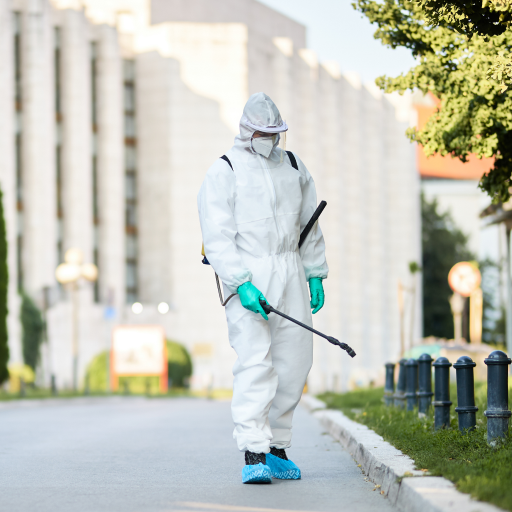
We provide complete pest control solutions customized to suit your specific needs. Our team values every client like family and cares for each home or business with the same dedication and attention as if it were our own.

Construction Pest Control

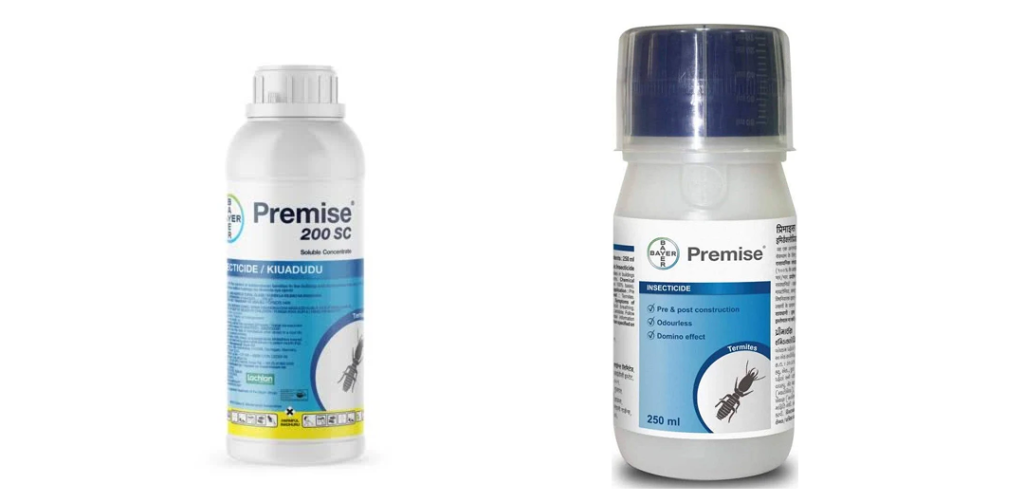
Pest control focuses on controlling and managing species that can endanger residential or commercial properties. Our reliable solutions — including anai-anai treatment — are developed to safeguard your premises from possible damage and pest infestations.

Construction Pest Control

Residential Pest Control

Residential Pest Control

We offer pest control services for all types of insects. To ensure optimal results, our treatments — including our 50% termite bait promotion — are implemented over a scheduled period for maximum effectiveness.
TERMITE EXTERMINATION

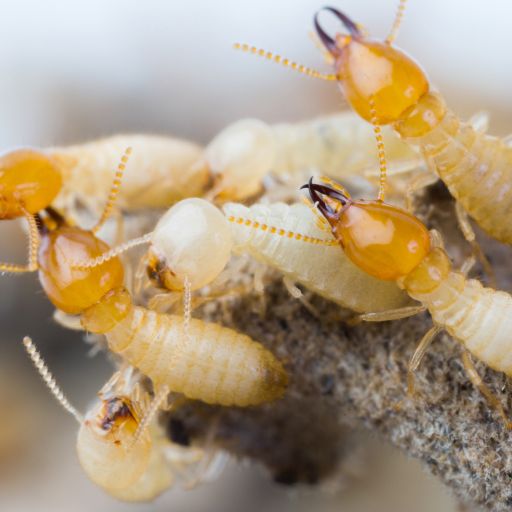
Most property owners would never want to encounter a termite infestation. Detecting the signs can be challenging, as termites prefer damp, dark, and warm areas within a home.

Termites are generally small, white, soft-bodied insects that feed on wood. There are two main types: drywood termites and subterranean termites. They live in organized colonies, and the presence of wings usually indicates reproductive termites.

These pests reside in colonies, and once they mature to a certain stage, they develop into swarms — large moving groups — to establish or expand their colony.

If the warning signs of a termite infestation go unnoticed, the damage can worsen significantly and may eventually compromise the structural integrity of the building.

INSECT CONTROL

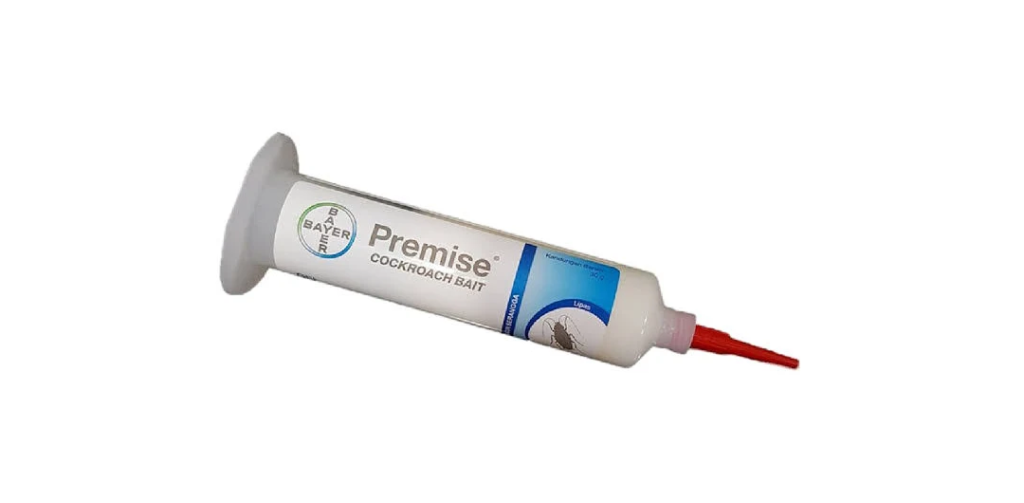
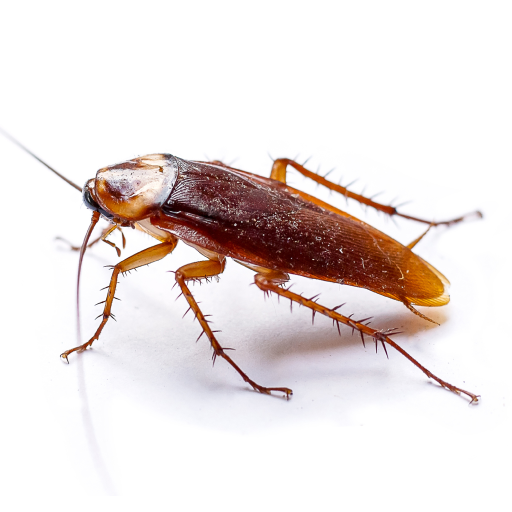
Many people are familiar with the lively Spanish folk tune “La Cucaracha,” which tells the story of a cockroach that cannot walk after losing one of its six legs. Although the song is popular among children and enjoyable to sing, it is doubtful that anyone shares that same fondness for this unpleasant, germ-carrying pest.

Most homeowners understand the health and safety concerns linked to cockroach infestations, such as allergies and asthma caused by cockroach allergens, as well as the bacteria and pathogens they can spread. What is less commonly recognized is that cockroaches are remarkably resilient insects with unusual behaviors and survival abilities. For instance, they spend about 75% of their time resting and are capable of surviving temperatures as low as 32 degrees Fahrenheit.
RODENT REMOVAL

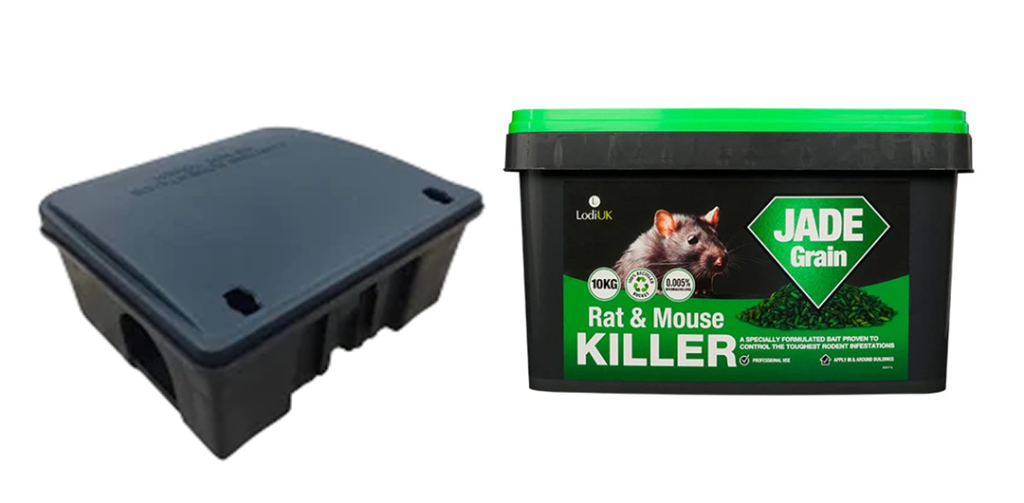
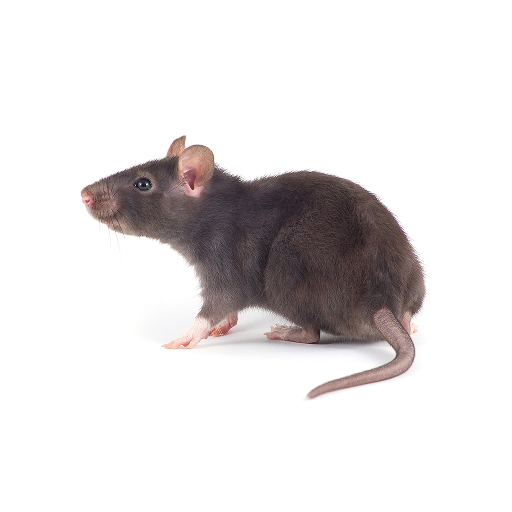
Rodents are troublesome pests that include mice, rats, and squirrels. They can pollute food supplies, cause structural damage, and transmit various diseases. The rodents that most commonly create issues for people are:

Rats

Behavior: Rats are naturally cautious of unfamiliar objects in their surroundings, including control methods like traps and bait. They tend to nest in attics, underground burrows, beneath concrete slabs and porches, inside wall cavities, and other concealed areas.

Health Risks: Rats are known carriers of numerous serious diseases. They can also bring parasite vectors such as fleas and ticks into your home.

Mice

Entry: Mice enter homes in search of food, water, and shelter from the cold.

Food Damage: A single mouse can spoil far more food than it actually consumes.

MOSQUITO FOGGING

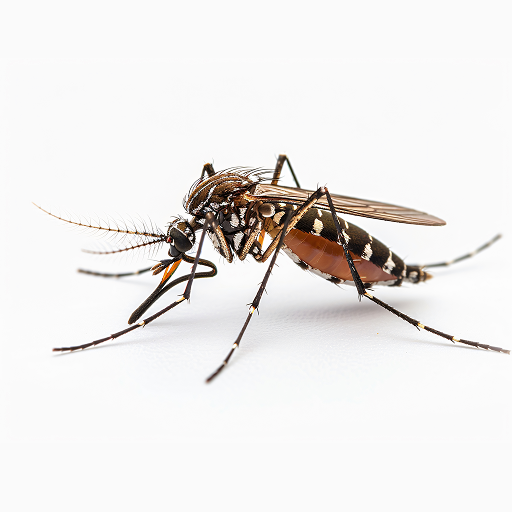
The Aedes aegypti mosquito is the primary carrier responsible for spreading the viruses that cause dengue. These viruses are transmitted to humans through the bite of an infected female Aedes mosquito, which typically becomes infected after feeding on the blood of a dengue patient.

Inside the mosquito, the virus first infects the midgut and then gradually spreads to the salivary glands over a period of 8 to 12 days. After this incubation phase, the mosquito can pass the virus to humans during subsequent bites. The immature stages of the mosquito develop in water-filled environments, particularly artificial containers commonly found around homes and often indoors.

Research on flight range indicates that most female Ae. aegypti mosquitoes spend their entire lives in or near the houses where they emerge as adults, generally flying an average distance of about 400 metres. This suggests that humans, rather than mosquitoes, are mainly responsible for rapidly spreading the virus within and between communities.
APHID REMOVAL

While many common birds offer advantages such as feather production, control of insects and weeds, and the enjoyment of birdwatching and feeding, issues can occur when they live too close to human environments. Typical bird-related concerns range from noise and property damage to food contamination and the spread of diseases.

Under federal law, all birds are protected except for the common pigeon, the European starling, and the house sparrow. However, certain local or state authorities may extend protection to all bird species and regulate the permitted methods of bird control.

BED BUGS

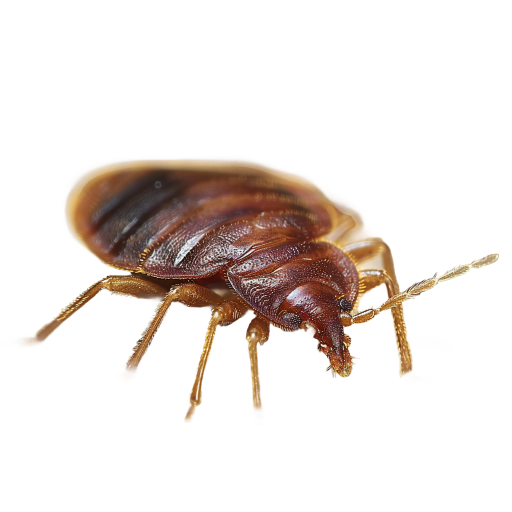
Bedbugs are small, oval-shaped, brown insects that feed on the blood of humans or animals. Adult bedbugs have flat bodies roughly the size of an apple seed, but after feeding, they become swollen and turn a reddish hue.

Bedbugs cannot fly, yet they are capable of moving swiftly across floors, walls, and even ceilings. Over her lifetime, a female bedbug can lay hundreds of tiny eggs, each about the size of a grain of dust.

Young bedbugs, known as nymphs, molt five times before becoming adults and must consume a blood meal prior to each stage of shedding. In favorable environments, they can reach full maturity in as little as one month and may produce three or more generations annually. Although they are troublesome pests, they are not considered carriers of disease.
Testimonial

I am truly pleased with the service provided, from my first interaction with your team to the technicians who handled the problem. It’s reassuring to deal with a company that genuinely prioritizes its customers. Thank you very much!
Nicholas Lam
Puchong
I would like to sincerely share my appreciation! I truly have nothing but praise for your company. Your fast and professional service went beyond my expectations, and my insect problem has been completely resolved. The technician was polite and respectful as well — I’m very thankful!
Chriss Low
KL
We were extremely satisfied with the standard of termite treatment delivered. Their biologist is well-informed and always responds promptly whenever we contact them. I’ve engaged their services for both my residence and workplace — excellent work by the team!
Jonathan Teo
Kepong

TERMITE EXTERMINATION

1. TERMITE MUD TUBES

These tubes usually extend from the soil and run across metal caps, walls, or foundations. They protect termites from predators while keeping a dark and humid environment for feeding and growth. Typically clay-like and brown in color, they are often built at night. Narrow tubes (around 10mm) usually contain workers and soldiers searching for food, while wider tubes (around 50mm) indicate heavy activity and greater destruction. Spotting these early is crucial to prevent major structural damage.

2. SUBTERRANEAN TUNNELS

Subterranean termites build underground tunnels instead of visible mud tubes. These tunnels can reach depths of 20cm and spread up to 50 meters or more. Primarily used by worker termites, they serve as hidden pathways for food transport.

3. EXIT HOLES IN TREES

Both termite types may infest trees, especially around trunks and roots. Winged termites may create exit slits when swarming. If wood sounds hollow when tapped, it may indicate internal damage. Professional inspection is recommended.

4. EARTHEN PACKING

Mud-like material may appear on timber surfaces, especially near joints or foundations. Before swarming, termites may build horizontal flight tubes from infested wood. This is a critical warning sign.

5. TERMITE NOISES & WOOD DAMAGE

Termites hollow out wood internally, leaving a thin outer layer intact. In severe infestations, faint tapping sounds may be heard, caused by soldier termites signaling danger.

6. TERMITE FRASS (DROPPINGS)

Tiny pellet-like droppings, known as frass, may be found near entry points. Piles of frass inside or outside your home strongly suggest termite activity.

7. DISCARDED WINGS

Swarming termites shed their wings after flight. Finding piles of wings or seeing a swarm indoors is a clear sign of infestation. Immediate action is advised.

If you notice any of these signs, contact a termite specialist immediately to prevent further property damage.

INSECT CONTROL

TEN SURPRISING FACTS ABOUT COCKROACHES:

1. A cockroach can survive for up to a week without its head. Because of its open circulatory system and breathing holes along its body, it does not rely on its head to breathe. It eventually dies from dehydration since it cannot drink water.

2. Cockroaches are able to hold their breath for around 40 minutes and can survive underwater for up to 30 minutes. This helps them control moisture loss.

3. They can run at speeds of up to three miles per hour, enabling them to quickly spread germs and bacteria throughout a home.

4. Baby German cockroaches can mature into adults in as little as 36 days. This species is among the most common and is often linked to allergies and disease outbreaks.

5. A one-day-old cockroach, barely the size of dust, can move nearly as fast as an adult.

6. American cockroaches are known to be attracted to alcohol, particularly beer, likely due to fermented ingredients.

7. The largest cockroach species, found in South America, can grow up to six inches long with a wingspan of nearly one foot. Most common cockroaches range between half an inch to two inches in length.

8. Cockroaches are believed to have existed for over 280 million years, dating back to the Carboniferous period.

9. There are more than 4,000 cockroach species worldwide, including common types such as the German, brownbanded, and American cockroaches.

10. As cold-blooded insects, cockroaches can survive up to a month without food but only about a week without water.

These facts show just how adaptable and resilient cockroaches are, which makes proper control and management essential for maintaining a safe and healthy environment.

Rodent removal

1. RATS ARE STRONG SWIMMERS
Rats are excellent swimmers. Some species can tread water for up to three days, hold their breath for about three minutes, and swim distances exceeding a mile. They can even travel through sewer pipes and occasionally surface through toilets.

2. RATS ARE HONORED IN CERTAIN CULTURES
In parts of India, a temple devoted to the goddess Karni Mata houses thousands of rats that are protected and respected. Devotees believe they may be reincarnated as rats after death.

3. THEIR TAILS HELP REGULATE BODY TEMPERATURE
Unlike humans who sweat or dogs that pant, rats control heat by adjusting blood flow through their tails.

4. THEIR TEETH CONTINUE GROWING
A rat’s teeth never stop growing and can extend several inches each year. To keep them trimmed, rats constantly gnaw on materials such as wood, metal, and even concrete-like surfaces.

5. THERE ARE MANY RAT SPECIES
While Norway rats, roof rats, and pack rats are commonly known, there are actually more than 50 recognized rat species worldwide.

6. SOME RATS GROW SURPRISINGLY LARGE
Certain species, like the Sumatran bamboo rat, can weigh nearly 9 pounds and reach the size of a small cat. The Gambian pouched rat can measure up to 3 feet long from nose to tail.

7. RATS REPRODUCE RAPIDLY
Female rats can breed roughly every three weeks, producing litters of six to ten pups. Within three to four months, the young rats can reproduce as well.

8. RATS ARE SOCIAL ANIMALS
Rats often live in groups where they groom, sleep, and interact together. However, they can become aggressive toward unfamiliar rats. A group of rats is known as a “mischief.”

9. RATS CAN SPREAD DISEASE
Rats and mice are capable of carrying pathogens that transmit numerous diseases to humans, making proper rodent control essential.

10. RATS CAN “LAUGH”
During playful interactions, rats emit high-pitched chirping sounds that researchers describe as a form of laughter linked to social enjoyment.

While some people may keep domesticated rats as pets, wild rats in homes or workplaces pose serious risks. Preventing infestations is crucial for health and safety.

If you’re dealing with a rodent problem, contact us today — our professional team is ready to help.

mosquito fogging

Dengue transmission is more common outdoors and during the daytime, when Stegomyia mosquitoes are most active. However, Aedes aegypti can breed inside homes and bite people throughout the day. Indoor environments are less affected by weather changes, allowing these mosquitoes to survive longer.

Dengue outbreaks have also been linked to other species such as Aedes albopictus, Aedes polynesiensis, and members of the Aedes scutellaris complex. Each species has its own habitat preferences, behavior patterns, and geographic range.

Mosquito fogging operations are carried out to eliminate or “knock down” adult dengue mosquitoes that may be carrying the virus. Mosquitoes become infected after feeding on a person who has dengue. Fogging is applied in areas with high case numbers to reduce the population of infected adult mosquitoes and help prevent further transmission.

Prevention is always better than treatment. If you suspect dengue-carrying mosquitoes in your area, contact us today for professional mosquito fogging services.

APHID REMOVAL

Pigeons

  • Pigeons are among the most widespread pest birds and are linked to significant public health concerns. Adult pigeons measure about 11 inches in length, with a short neck, small head, and short legs. They are typically blue-grey with iridescent feathers around the head and neck. Pigeons prefer nesting on flat, elevated surfaces such as ledges, air-conditioning units, pipes, and window sills. Their diet includes grains, food waste, livestock feed, and even manure, and they require daily access to water.

Starlings

  • The European starling is a non-native species that creates issues in both urban and rural settings. Adults are around 8 inches long, with a short tail and pointed bill. In winter, they have a dark beak and glossy feathers speckled with white spots. During summer, their beak turns yellow and their plumage appears more green and purple with fewer spots. Starlings gather in large flocks and nest in trees, vents, rooftops, signboards, and farm buildings. Their diet varies by season and includes seeds, fruits, insects, food scraps, and agricultural crops.

House Sparrows

  • House sparrows are small, sturdy birds measuring 5 to 6 inches long. Though called sparrows, they belong to the weaver finch family. They have brown and grey feathers with a thick, conical beak. Males feature a black throat and pale crown, while females have a lighter throat and subtle eye stripe. They build untidy nests from twigs, grass, and debris in sheltered, elevated areas such as warehouses, stadiums, and large buildings. Their diet mainly consists of grains but also includes seeds, insects, animal feed, and discarded food. House sparrows rely heavily on human environments and often gather in large groups within a short travel range.

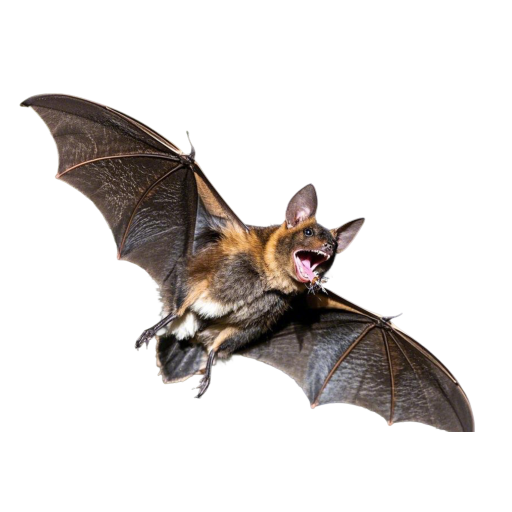
If you are experiencing bird or bat problems, contact us today for professional assistance.

BED BUGS

WHERE BED BUGS HIDE

Bed bugs can enter your home without being noticed through luggage, clothing, second-hand furniture, and other belongings. Their flat bodies allow them to squeeze into extremely small cracks, even spaces as thin as a credit card. Unlike ants or bees, bed bugs do not build nests. Instead, they gather in groups and hide in secluded areas. Their primary hiding spots are usually mattresses, box springs, bed frames, and headboards — locations that give them easy access to sleeping individuals.

As infestations grow, they may spread throughout the bedroom, hiding in cracks, furniture joints, electrical outlets, or other sheltered spaces. They can also move into nearby rooms or neighboring units.

Because bed bugs feed exclusively on blood, their presence is not related to cleanliness. They can be found in spotless homes and high-end hotels just as easily as in cluttered environments.

WHEN BED BUGS BITE

Bed bugs are mostly active at night and typically bite while people are asleep. They pierce the skin using a specialized mouthpart to draw blood. Feeding usually lasts between three to ten minutes, after which they retreat unnoticed.