Pest Control and Extermination
Kadang-kadang nak identify jenis serangga atau pest melalui call atau email memang agak susah. Anda pun tak sure pest atau rodent jenis apa yang dah ceroboh masuk rumah?
Commercial Pest Control
Commercial Pest Control
Construction Pest Control
Construction Pest Control
Residential Pest Control
Residential Pest Control
Kami menyediakan pelbagai pest control treatments untuk macam-macam jenis serangga. Nak dapatkan best results? Kena tahu yang solusi kami — termasuklah promo 50% untuk termite bait kami — akan dijalankan ikut planned treatment period demi pastikan maximum effectiveness! Cepat-cepat dapatkan sebelum promo habis!

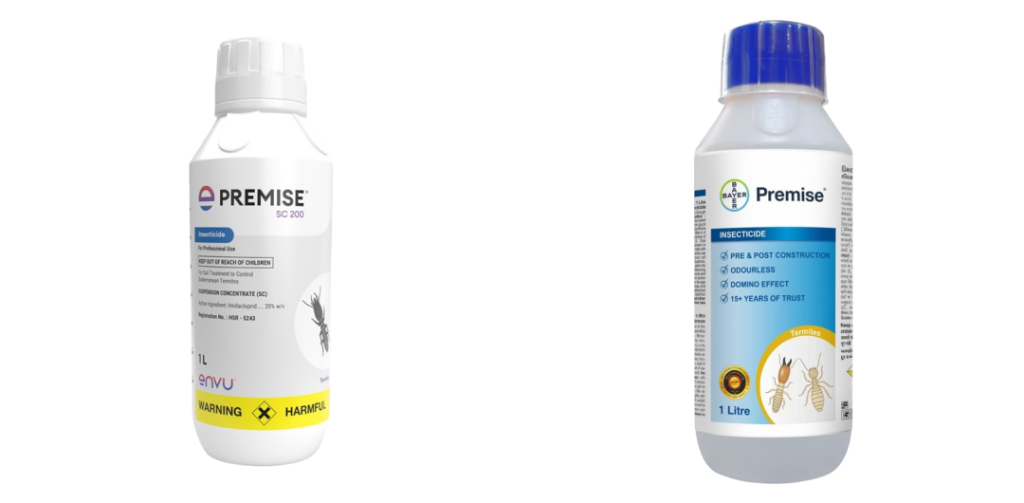
TERMITE EXTERMINATION
Susah nak detect anai-anai ni sebab diorang suka menyorok kat tempat yang warm, dark, dan damp kat dalam rumah.
Kat Malaysia, dua jenis yang paling common adalah drywood dan subterranean termites. Korang kena alert, kalau nampak ada kelekatu (winged termites) berterbangan, itu petanda diorang tengah active membiak dan nak expand new colonies!
Jangan ambik mudah tau! Kalau tak di-detect dari awal, infestation ni boleh jadi severe dan bawa serious structural damage pada property korang. Settle-kan sebelum terlambat!
INSECT CONTROL
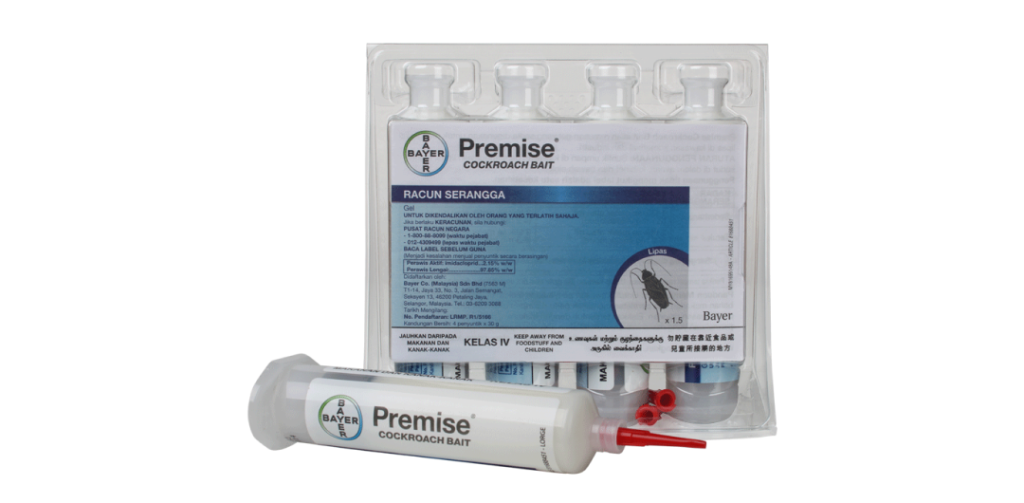
Ramai orang tau lagu folk Spanish yang famous ni, pasal seekor lipas yang tak boleh jalan sebab hilang satu kaki. Lagu dia memang catchy, tapi bila lipas ni betul-betul ada depan mata, gerenti takde siapa yang suka dengan pest yang bawa disease ni!
Kebanyakan homeowners memang alert pasal health risks kalau ada cockroach infestation kat rumah, contohnya macam allergies dan asthma yang di-trigger oleh cockroach allergens, plus bacteria dan kuman yang diorang bawa.
Tapi, ramai yang tak tahu yang cockroach ni sebenarnya highly adaptable dan ada survival abilities yang hebat gila! Bayangkan, diorang ni spend hampir 75% daripada hidup diorang untuk berehat je, dan boleh survive even dalam temperature sejuk gila sampai 32°F (0°C). Memang liat nak mati!
Jadi, kalau nampak seekor berkeliaran, maksudnya ada geng-geng lain yang tengah “beristirehat” kat dalam rumah korang. Settle-kan sebelum diorang membiak!

RODENT REMOVAL
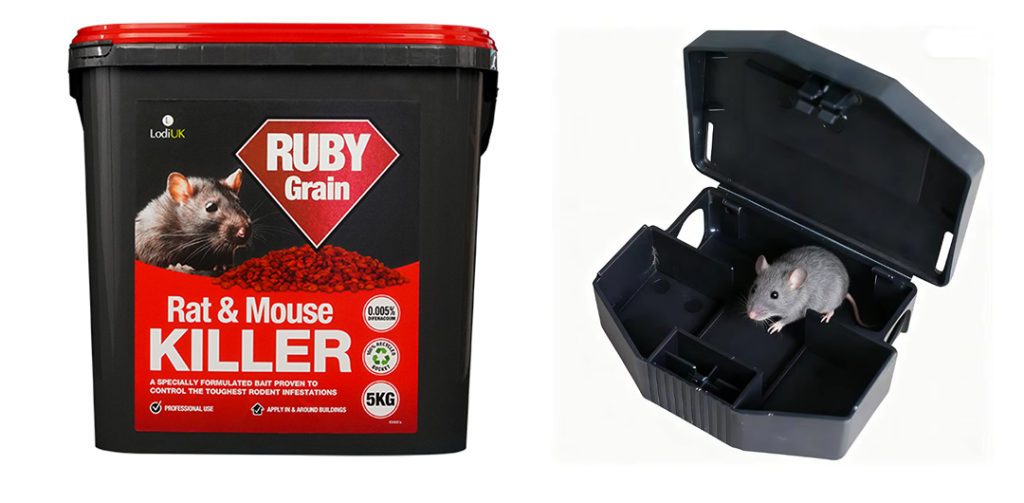
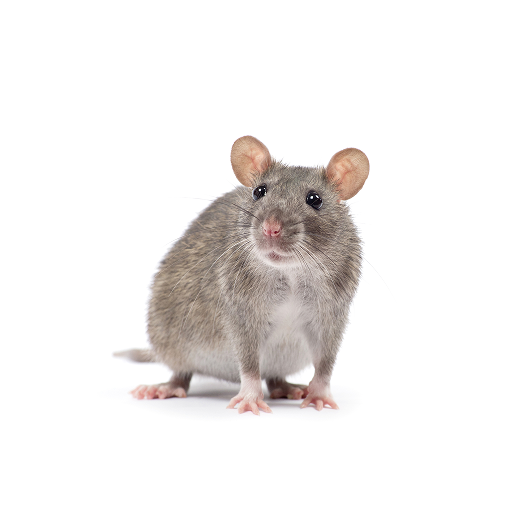
Rodents atau tikus ni memang sejenis nuisance pest yang menyusahkan. Bukan setakat boleh contaminate makanan kita, diorang ni pun boleh jahanamkan struktur rumah dan sebar disease yang bahaya!
Jom kenali dua suspect utama yang selalu kacau rumah kita:
Rats
Behavior: Diorang ni naturally sangat cautious (penakut & bijak). Kalau ada benda asing macam traps atau bait (umpan) yang baru kita letak, diorang takkan dekat punya. Selalu menyorok kat tempat hidden macam attic (loteng), underground burrows, bawah konkrit, dalam lubang dinding, atau bawah porch.
Health Risks: Bukan je bawa pelbagai dangerous diseases, tapi diorang ni pun boleh heret parasites lain macam fleas (kutu) dan ticks masuk rumah korang!
Mice
Entry: Biasanya diorang ni menyusup masuk rumah semata-mata nak cari food, water, dengan warm shelter untuk berteduh.
Food Contamination: Jangan salah faham tau, seekor mouse ni boleh contaminate makanan jauh lebih banyak daripada apa yang dia makan! Habis kotor pantry korang di-pusingnya.
MOSQUITO FOGGING
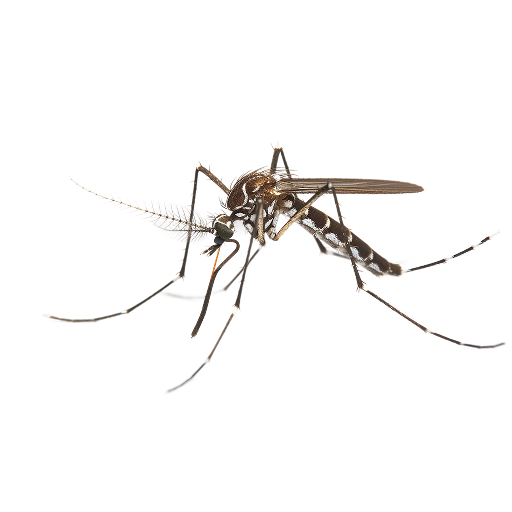
Ramai yang tahu nyamuk Aedes aegypti ni lah punca utama virus dengue merebak. Tapi tahu tak, virus ni spread kepada manusia melalui gigitan nyamuk betina (female mosquito) yang dah infected? Nyamuk ni dapat virus tu lepas dia pi heret darah orang yang tengah sakit dengue.
Bila virus tu dah masuk dlm badan nyamuk, dia akan infect midgut (perut) dulu sebelum merebak ke salivary glands (kelenjar air liur) dalam masa 8 ke 12 hari. Lepas tamat incubation period ni, nyamuk tu dah fully “ready” untuk pass virus dengue ni kepada mangsa seterusnya!
Untuk pengetahuan korang, jentik-jentik (mosquito larvae) selalu membiak kat dalam water-filled environments, terutamanya artificial containers (bekas takungan buatan) yang ada kat sekeliling atau dalam rumah.
Sgtt banyak studies tunjuk yang female Aedes ni sebetulnya jenis tak suka terbang jauh. Diorang selalu stay dekat dengan tempat diorang hatch (menetas) je, spend hidup kat sekitar residential areas, dan flying distance diorang pun average dlm 400 meter je.
Maksudnya apa? Sebenarnya human movement (pergerakan manusia) yang jadi punca utama kenapa dengue ni boleh spread dari satu komuniti ke komuniti yang lain, bukannya nyamuk tu yang merantau jauh!

APHID REMOVAL
Banyak je jenis burung yang usung benefits untuk kita, contohnya macam tolong control populasi serangga dan rumpai (weed), produce feathers, dan bagi hiburan untuk orang yang suka birdwatching. Tapi, masalah akan mula timbul bila burung-burung ni duk tinggal terlalu dekat dengan kawasan manusia.
Antara common issues yang selalu orang complain adalah pasal noise disturbances (bising), property damage, food contamination, dan yang paling risau, penyebaran penyakit (spread of diseases).
Ikut federal regulations, kebanyakkan burung memang dilindungi di bawah undang-undang, KECUALI beberapa species macam common pigeon (burung merpati), European starling, dan house sparrow (burung pipit).
Tapi kena ingat tau, local atau regional authorities (pihak berkuasa tempatan) mungkin ada apply undang-undang tambahan atau regulations lain berkenaan kaedah bird control methods yang dibenarkan. Tak boleh main tembak atau racun sesuka hati ya!
Kalau premis atau rumah korang ada masalah sarang burung sampai bawa kotoran, contact kami untuk dapatkan solusi bird control yang selamat dan mengikut law!
BED BUGS
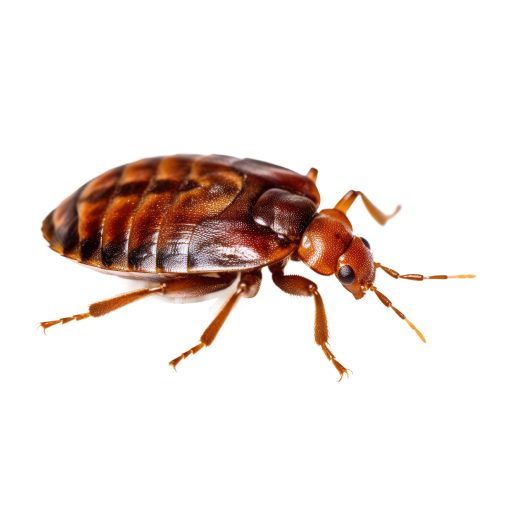
Bedbugs atau pijat ni sejenis serangga kecil yang berbentuk bujur (oval-shaped) dan berwarna coklat. Diorang ni survive semata-mata dengan menghisap darah manusia atau haiwan. Bedbugs yang mature ada flat bodies yang saiznya lebih kurang sama besar dengan biji epal (apple seed). Tapi jangan terkejut, lepas diorang kenyang feed on darah, badan diorang akan jadi mengembang (enlarged) dan bertukar warna kemerahan!
Walaupun bedbugs ni tak boleh terbang, diorang boleh move rapidly (bergerak laju gila) kat atas floor, dinding, dan ceiling rumah korang. Ramai tak tahu, female bedbugs boleh lay beratus-ratus telur sepanjang hidup diorang, dan setiap biji telur tu halus sangat, dah macam speck of dust (habuk)!
Anak-anak bedbugs yang dipanggil nymphs pula kena go through 5 molting stages (proses salin kulit) sebelum jadi dewasa. Dan setiap kali nak masuk stage baru, diorang WAJIB dapatkan blood meal (menghisap darah) dulu. Kalau condition tempat tu ngam-ngam, diorang boleh fully mature dalam masa sebulan je dan membiak sampai multiple generations setiap tahun!
Nasib baiklah, walaupun bedbugs ni tersangatlah nuisance (menyusahkan dan buat kita gatal), diorang ni secara amnya tak dikesan menyebarkan sebarang dangerous disease.
Tapi kalau dah mula kena gigit, memang tak boleh tumpu tidur malam! Contact team professional kami untuk eliminate bedbugs ni sampai ke akar umbi!
Testimonial